MidMichigan Veterinary Hospital

3304 Davenport Avenue

Saginaw, MI 48602 US

989-792-8665

Open mobile navigation
  • Home
  • About Us
    • Meet Our Team
  • Services
    • Laser Therapy
    • Ultrasound
    • Digital Radiology
    • Acupuncture
  • Contact Us
  • How was your visit?
  • Home >
  • Articles >
  • Choosing Your Pet >
  • Exotics >
  • Reptiles >
  • Lizards >
  • Blue Tongued Skinks

Blue Tongued Skinks

  • Created in Choosing Your Pet, Exotics, Reptiles, Lizards
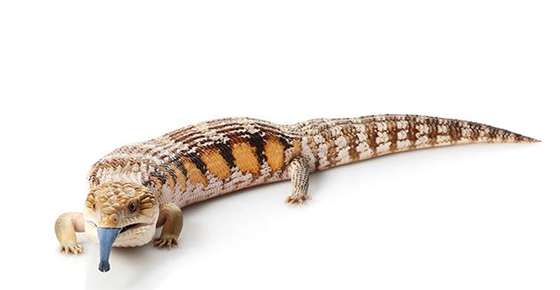
Image of a blue toungued skink.

Blue tongued skinks are quite and gentle, and quite easily tamed and handled. It is reported that even wild blue tongued skinks will sometimes allow themselves to be picked up without a struggle. Popular as pets, blue tongued skinks or "skinks" are moderately sized lizards native to Australia. They live in a variety of habitats, including grasslands, forests, rainforests, and deserts. They are now found all over the world as pets. They are not inexpensive to care for as they have, like many other lizards, strict nutritional and environmental requirements that need to be met for them to thrive. Fairly large at mature size of around 20 inches (snout to vent length of 12 inches), a good sized tank/cage will be required. The expected life span of a blue tongued skink is anywhere from 10-20 years, although with good attention to nutrition and the ideal environment, the high end of that range should be expected. However, they are social and easy to tame and handle, and show a range of fascinating behaviors that make them interesting to watch.

Care

  • Need a large enclosure such as a 40-55 gallon tank.
  • Being ground dwellers they don't need branches for climbing, but still need a secure lid.
  • Substrate: aspen wood shavings, cypress mulch, or even newspaper. Make sure they are not ingesting wood substrates.
  • Temperature: gradient from 75-85 F (24-29 C) with a basking spot of 95 F (35 C). A combination of undertank heating and a basking light on one side of the tank works well. Make sure the appropriate temperature gradient is provided by measuring temperatures in various spots around the tank. Night temperature can drop to about 70 F (21 C).
  • Light: in addition to the incandescent basking light, provide a full spectrum UVA/UVB light for 10-12 hours per day.
  • Water: provide a large shallow sturdy water dish. Skinks like to bathe in their water but often defecate there so frequent cleaning is required for the water dish.
  • Hides: a couple of sturdy hiding spots should be provided for skinks, which like to burrow and hide. Cork bark, wood, rocks, PVC pipes, or other hides can be used. Make sure wood pieces or rocks are firmly places so they will not fall on the lizard. A humidity hide (e.g. a plastic storage box with moss or cypress mulch to holds moisture) will help with sheds.

Feeding

  • Skinks are true omnivores, which should be reflected in their diet.
  • Variety is the key to providing a nutritious diet, and a calcium/vitamin D supplement should be added to the food.
  • Vegetables/fruits: beans, summer or winter squash, carrots, parsnips, leafy greens. Can be shredded or pureed and added to meat portion of diet. Fruits can include strawberries, bananas, melon, etc.
  • Meats: low fat canned dog food is a good staple in the diet. This should be supplemented with other items such as superworms and pinkie mice (larger for adults).
  • Pet Health
    • Chronic Conditions
    • Digestive and Oral Health
    • Diseases and Viruses
    • Pests and Parasites
    • Orthopedics
  • Today's Veterinarian
  • Choosing Your Pet
    • Finding Your Pet
    • Cats
    • Dogs
    • Exotics
      • Amphibians
      • Birds
      • Reptiles
        • Lizards
        • Turtles
    • Small Mammals
      • Ferrets
      • Rabbits
      • Domesticated Animals
        • Prairie Dogs
      • Pocket Pets
        • Chinchillas
        • Guinea Pigs
        • Hamsters
        • Hedgehogs
        • Rats
    • Livestock
      • Cows
      • Donkeys, Horses & Mules
      • Goats
      • Pigs
      • Poultry
      • Sheep
  • Living With Your Pet
    • Bringing Your Pet Home
    • Children and Pets
    • Providing Care
    • Travel
    • Saying Goodbye
  • Newsletter Library
    • Cats
    • Tips for Pet Owners
    • Behavior & Training
    • Fleas & Parasites
    • Keeping Pets Healthy
    • Recognizing Illness
    • Nutrition & Food
    • Pet Dangers
    • Seasonal Topics
    • Visiting the Vet
    • Equine
    • Newsletter Archive
      • Fun with Pets
      • Unbelievable Pets
  • Video Newsroom
    • Health Topics
    • Technology and Science
    • Other Interests
  • Newsletter Library
  • Client Survey
  • Pets4Kids

Contact Us

We look forward to hearing from you

Error!

    Featured Services

    • Contact us

      Click here to contact us. 

    • Services

      We strive to provide complete care for our patients. Learn more about all the services we offer.

    • How Was Your Visit?

      Click here to let us know about your last visit

    Office Hours

    Monday:

    7:30 am-5:30 pm

    Tuesday:

    7:30 am-5:30 pm

    Wednesday:

    7:30 am-5:30 pm

    Thursday:

    7:30 am-5:30 pm

    Friday:

    7:30 am-12:30 pm

    Saturday:

    Closed

    Sunday:

    Closed

    Location

    Find us on the map

    Testimonials

    Read What Our Clients Say

    • "Wow! Thanks to all the staff at Anderson Vet Clinic. I feel like you all truly love what you do! My kitty, Lola and I always have such a pleasant experience when we come in. Fortunately, it’s usually just for a check-up, but I would not leave Lola in anyone else’s hands but yours. Thank you for your caring commitment!"
      Maya Smith / Los Angeles, CA
    • "I have benefited tremendously from the care my pet received from Dr. Anderson."
      John Doe / San Diego, CA
    • "Fabio wasn’t eating the food I was giving him and I didn’t feel he was getting the nutrition he needed. Thanks to Dr. Anderson, he evaluated Fabio and his current diet to make some recommendations and now Fabio has gone from barely eating to finishing his meals and he looks healthier than ever. You clearly are an expert in your field...thanks so much!"
      Tara Brown / Kansas City, MO

    Featured Articles

    Read about interesting topics

    • March Newsletter: How to Keep Your Cat Safe When Outdoors

      Wondering how your cat can safely spend time outdoors? ...

      Read More
    • March Newsletter: How to Choose Safe Blankets for Pets

      Do you know how to pick a safe blanket for your pet? ...

      Read More
    • February Newsletter: How to Reduce Dental Anxiety in Pets

      Does your pet hate toothbrushing? These tips could reduce dental anxiety. ...

      Read More
    • February Newsletter: How to Safely Change Your Cat’s Food

      Buying a new food for your cat? Find out how to switch foods safely. ...

      Read More
    • January Newsletter: Signs Your Pet Needs a Wellness Exam

      Does your pet need a wellness exam? ...

      Read More
    • January Newsletter: How Your Veterinarian Can Help If Your Pet Ingests Something Toxic

      Has your pet eaten something it shouldn't have? Find out how your vet can help. ...

      Read More
    • December Newsletter: Signs Your Pet Needs a Professional Cleaning

      Do you know when your pet needs a professional cleaning? ...

      Read More
    • December Newsletter: Simple Ways to Keep Your Home Flea-Free for Your Pet’s Well-being

      Never want to see another flea again? Try these tips for a flea-free home. ...

      Read More
    • November Newsletter: The Importance of Bloodwork for Your Pet’s Health

      Wondering if your pet really needs bloodwork? Find out the benefits of blood tests for your furry friend. ...

      Read More
    • November Newsletter: Turkey Day Tips for Pet Owners

      Don't forget about your pet when making Turkey Day preparations. ...

      Read More

    Newsletter Signup

    Sign up for more articles

    Error!

      Connect With Us

      • Copyright © 2026 MH Sub I, LLC dba iMatrix.
      • Admin Log In
      • Site Map