MidMichigan Veterinary Hospital

3304 Davenport Avenue

Saginaw, MI 48602 US

989-792-8665

Open mobile navigation
  • Home
  • About Us
    • Meet Our Team
  • Services
    • Laser Therapy
    • Ultrasound
    • Digital Radiology
    • Acupuncture
  • Contact Us
  • How was your visit?
  • Home >
  • Articles >
  • Newsletter Library >
  • Behavior & Training >
  • How to Make Vet Visits a More Pleasant Experience for Your Pet

How to Make Vet Visits a More Pleasant Experience for Your Pet

  • Created in Newsletter Library, Behavior & Training
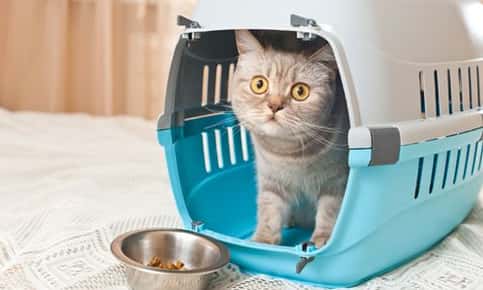
cat in crate

Does your normally docile, friendly pet turn into the Tasmanian Devil the moment you pull into the veterinarian's parking lot? It's not unusual for pets to feel a little stressed by a visit to the vet. When your dog or cat is anxious or behaves aggressively, a simple checkup can become a difficult experience for both of you. Luckily, there are a few things you can do to help your pets handle the visits a little better.

Don't Hide the Carrier or Crate

If your pet's carrier or crate only comes out when it's time to visit the vet, he or she may develop a negative association with it. As soon as the carrier makes an appearance, your pet might just decide to curl up under your bed or find another hiding place.

The next time you schedule an appointment for your pet, immediately dust off the crate or carrier and place it in the family room or kitchen with the door open. Add a new toy or tempting treat to convince your dog or cat that the crate or carrier isn't such a bad place to spend a little time. The more time your pet spends in the carrier, the less scary it may become.

Go for a Drive

Pets may also associate your car or truck with veterinary visits if they only ride in your vehicle when they have an appointment. As soon as your dog or cat enters your vehicle, he or she may become fearful or anxious. When pets are already stressed before they even leave your driveway, just walking through the doors of the veterinary clinic can be overwhelming.

You can help your dog or cat relax during car rides by taking him or her for short rides. The first time you go for a drive, you may only want to travel around the block. Gradually increasing the duration of these trips offers a simple way to help your pet adjust to riding in a car or truck. During one of your car rides, you might want to stop by the vet's office for a social call. When your pet realizes that a trip to the vet can be an enjoyable experience, he or she might not be quite so reluctant to get out of the car the next time you visit.

Make Sure Your Dog Knows Basic Commands

Sit, sit and stay, down, come, leave it and other basic commands can help you remain in control of your dog during a visit to the veterinarian. If your pet doesn't know or respond to commands, set aside a little time every night to help him or her master these helpful commands, or enroll your dog in an obedience training course.

Pretend You're a Veterinarian

Performing your own examinations on your pet allows you to identify any strange lumps or bumps and also helps your dog or cat adjust to being handled. Mimic the actions you've seen your pet's veterinarian perform, such as feeling the abdomen and paws and examining the ears and teeth so your pet becomes more accustomed to being touched all over their body.

Try Pheromones

Pheromones, natural chemicals produced by the body, can calm your cat or dog and make him or her feel less anxious or fearful. Pheromone diffusers available in pet stores or online send a steady stream of the chemical into the air. For best results, plug in the diffuser an hour or two before your pet's veterinarian visit. Although pheromones aren't effective for every pet, they're worth a try if veterinary visits are difficult for your furry friend.

Make the Waiting Room Experience More Pleasant

When you enter the waiting room, sit as far away from other pets as possible. If your pet reacts very negatively to the presence of other animals, ask if you can wait in your car until the staff is ready to see your pet. A simple call or text can alert you when the staff can see your dog or cat. If that's not possible, place a towel from home over your cat or small dog's crate or carrier to decrease exposure to troubling sights or smells

Make sure you use a leash and a collar or harness when bringing larger dogs to the vet. In the event that another animal becomes aggressive toward your pet, you'll want to be able to quickly pull him or her back from potential trouble.

Decreasing your pet's stress level will make veterinary visits a much more pleasant experience and help ensure that he or she receives needed care and screenings. If it's time for your pet's checkup, or you're concerned about a health issue, give us a call.

Sources:

Animal Planet: 5 Tips to Make Vet Visits Less Stressful for Your Cat

http://www.animalplanet.com/pets/less-stressful-vet-visits/

Veterinary Practice News: Dogs and Going to the Vet, 12/28/15

https://veterinarypracticenews.com/dogs-and-going-to-the-vet/

  • Pet Health
    • Chronic Conditions
    • Digestive and Oral Health
    • Diseases and Viruses
    • Pests and Parasites
    • Orthopedics
  • Today's Veterinarian
  • Choosing Your Pet
    • Finding Your Pet
    • Cats
    • Dogs
    • Exotics
      • Amphibians
      • Birds
      • Reptiles
        • Lizards
        • Turtles
    • Small Mammals
      • Ferrets
      • Rabbits
      • Domesticated Animals
        • Prairie Dogs
      • Pocket Pets
        • Chinchillas
        • Guinea Pigs
        • Hamsters
        • Hedgehogs
        • Rats
    • Livestock
      • Cows
      • Donkeys, Horses & Mules
      • Goats
      • Pigs
      • Poultry
      • Sheep
  • Living With Your Pet
    • Bringing Your Pet Home
    • Children and Pets
    • Providing Care
    • Travel
    • Saying Goodbye
  • Newsletter Library
    • Cats
    • Tips for Pet Owners
    • Behavior & Training
    • Fleas & Parasites
    • Keeping Pets Healthy
    • Recognizing Illness
    • Nutrition & Food
    • Pet Dangers
    • Seasonal Topics
    • Visiting the Vet
    • Equine
    • Newsletter Archive
      • Fun with Pets
      • Unbelievable Pets
  • Video Newsroom
    • Health Topics
    • Technology and Science
    • Other Interests
  • Newsletter Library
  • Client Survey
  • Pets4Kids

Contact Us

We look forward to hearing from you

Error!

    Featured Services

    • Contact us

      Click here to contact us. 

    • Services

      We strive to provide complete care for our patients. Learn more about all the services we offer.

    • How Was Your Visit?

      Click here to let us know about your last visit

    Office Hours

    Monday:

    7:30 am-5:30 pm

    Tuesday:

    7:30 am-5:30 pm

    Wednesday:

    7:30 am-5:30 pm

    Thursday:

    7:30 am-5:30 pm

    Friday:

    7:30 am-12:30 pm

    Saturday:

    Closed

    Sunday:

    Closed

    Location

    Find us on the map

    Testimonials

    Read What Our Clients Say

    • "Wow! Thanks to all the staff at Anderson Vet Clinic. I feel like you all truly love what you do! My kitty, Lola and I always have such a pleasant experience when we come in. Fortunately, it’s usually just for a check-up, but I would not leave Lola in anyone else’s hands but yours. Thank you for your caring commitment!"
      Maya Smith / Los Angeles, CA
    • "I have benefited tremendously from the care my pet received from Dr. Anderson."
      John Doe / San Diego, CA
    • "Fabio wasn’t eating the food I was giving him and I didn’t feel he was getting the nutrition he needed. Thanks to Dr. Anderson, he evaluated Fabio and his current diet to make some recommendations and now Fabio has gone from barely eating to finishing his meals and he looks healthier than ever. You clearly are an expert in your field...thanks so much!"
      Tara Brown / Kansas City, MO

    Featured Articles

    Read about interesting topics

    • March Newsletter: How to Keep Your Cat Safe When Outdoors

      Wondering how your cat can safely spend time outdoors? ...

      Read More
    • March Newsletter: How to Choose Safe Blankets for Pets

      Do you know how to pick a safe blanket for your pet? ...

      Read More
    • February Newsletter: How to Reduce Dental Anxiety in Pets

      Does your pet hate toothbrushing? These tips could reduce dental anxiety. ...

      Read More
    • February Newsletter: How to Safely Change Your Cat’s Food

      Buying a new food for your cat? Find out how to switch foods safely. ...

      Read More
    • January Newsletter: Signs Your Pet Needs a Wellness Exam

      Does your pet need a wellness exam? ...

      Read More
    • January Newsletter: How Your Veterinarian Can Help If Your Pet Ingests Something Toxic

      Has your pet eaten something it shouldn't have? Find out how your vet can help. ...

      Read More
    • December Newsletter: Signs Your Pet Needs a Professional Cleaning

      Do you know when your pet needs a professional cleaning? ...

      Read More
    • December Newsletter: Simple Ways to Keep Your Home Flea-Free for Your Pet’s Well-being

      Never want to see another flea again? Try these tips for a flea-free home. ...

      Read More
    • November Newsletter: The Importance of Bloodwork for Your Pet’s Health

      Wondering if your pet really needs bloodwork? Find out the benefits of blood tests for your furry friend. ...

      Read More
    • November Newsletter: Turkey Day Tips for Pet Owners

      Don't forget about your pet when making Turkey Day preparations. ...

      Read More

    Newsletter Signup

    Sign up for more articles

    Error!

      Connect With Us

      • Copyright © 2026 MH Sub I, LLC dba iMatrix.
      • Admin Log In
      • Site Map