MidMichigan Veterinary Hospital

3304 Davenport Avenue

Saginaw, MI 48602 US

989-792-8665

Open mobile navigation
  • Home
  • About Us
    • Meet Our Team
  • Services
    • Laser Therapy
    • Ultrasound
    • Digital Radiology
    • Acupuncture
  • Contact Us
  • How was your visit?
  • Home >
  • Articles >
  • Newsletter Library >
  • Does Your Pet Have an Abscess?

Does Your Pet Have an Abscess?

  • Created in Newsletter Library

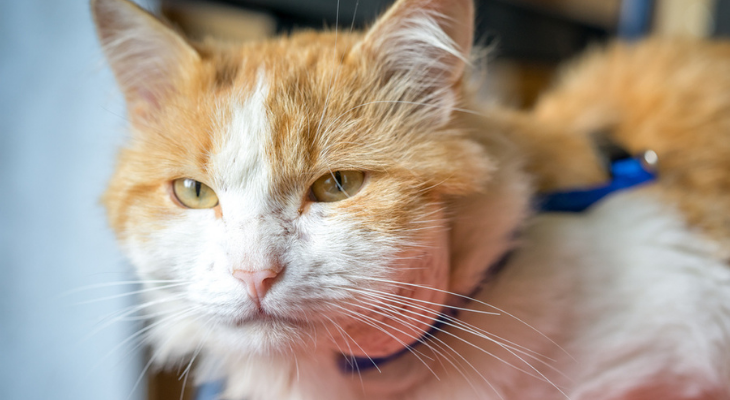
Cat with an abscess on its neck

Identifying and Treating Abscesses in Pets

Abscesses are caused by bacterial infections that can make your pet very sick. Unfortunately, unlike people, pets don't usually complain when they're hurt or don't feel well. In fact, you may not be aware that your pet isn't well until symptoms become severe.

Learning about abscess risk factors and symptoms can help you spot the signs of the infection and get your pet to the veterinarian as soon as possible.

What Do Abscesses Look Like?

A strange swelling or lump on your pet's body may be an abscess. Abscesses may hide under your pet's fur and be hard to spot. If the abscess bursts, you may see oozing pus on your furry friend's body or smell a bad odor. Abscesses can also form deep inside the body where they can't be seen.

How Do Pets Get Abscesses?

Abscesses can have many causes. Your pet may have been injured if it tangled with a wild animal or had a fight with one of your other pets. Breaks in the skin from scratches or bites, even small ones can get infected if bacteria enters the wounds. (Rough play fighting could also lead to scratches or cuts that become infected.)

Some pets are more likely to develop abscesses than others. English Bulldogs, Labrador Retrievers, and Chinese Shar-Pei are at increased risk. These breeds have short hairs that can become ingrown easily, according to Dogtime.

Other causes of abscesses include:

  • Impacted anal glands
  • A damaged or decayed tooth
  • Blood infections
  • Sinus or ear infections
  • Pneumonia

What Are the Signs of Abscesses?

Abscess signs vary depending on the location of the abscess. In addition to pus or a foul smell, you may notice:

  • Redness. The skin around a crusted-over wound may look red and feel warm.
  • Licking. Your pet may constantly lick the abscessed area, which can cause hair loss.
  • Fever. The bacterial infection that caused the abscess could cause your pet's temperature to rise.
  • Coughing. Coughing and trouble breathing could be signs that your pet has a lung abscess.
  • No Appetite. When you have an infection and feel awful, food probably doesn't seem very appetizing. Your pet may feel the same way.
  • Facial Swelling. A tooth abscess could cause a lump under your pet's eye or on the lower jaw, depending on the location.
  • Scooting. If an impacted anal gland becomes abscessed, your pet may scoot its bottom along the floor or ground in an attempt to relieve the pain and pressure.
  • Pain. Abscesses can be painful, particularly if they get in the way when your pet walks or moves. If the abscess affects a limb, your pet may begin to limp.
  • Fatigue. Your pet may seem much more tired than usual due to the infection.

How Are Abscesses Treated?

If the abscess hasn't broken open on its own, your veterinarian will perform a minor surgical procedure to drain the pus. Antibiotics will also be needed whether the abscess burst or the veterinarian drained it. The medications kill bacteria and prevent the infection from spreading throughout your pet's body. In some cases, your pet may also need intravenous (IV) fluids or anti-inflammatory medication.

When a diseased or damaged tooth is the source of the infection, your veterinarian will remove the tooth and treat the infection underneath.

How Can Abscesses Be Prevented?

It's not always possible to prevent an abscess, although you can reduce your pet's risk by:

  • Treating Wounds Promptly. If you notice that your pet has an open wound, clean the area with warm water and apply antibiotic ointment. Take your pet to the veterinarian if the wound is deep or won't stop bleeding.
  • Keeping Your Cat Indoors. Fights with other cats are common in outdoor cats. Keeping your pet inside reduces the likelihood that your cat will develop an abscess, be hit by a car, or be accidentally poisoned.
  • Expressing Your Dog's Anal Glands. Clogged anal glands can become infected if they're not expressed. Your pet's veterinarian or groomer can express (unblock) the glands or teach you how to do it at home.
  • Taking Your Pets to the Veterinarian for Dental Care. Regular dental cleanings remove plaque and tartar and prevent tooth decay. Severely decayed teeth are at risk of developing abscesses.

Do you think that your pet may have an abscess? Call our office to schedule an appointment for your companion?

Sources:

Dogtime: Abscesses in Dogs: Causes, Symptoms, and Treatments

PetMD: Abscesses in Cats, 4/1/16

Animal Planet: Tooth Root Abscess

  • Pet Health
    • Chronic Conditions
    • Digestive and Oral Health
    • Diseases and Viruses
    • Pests and Parasites
    • Orthopedics
  • Today's Veterinarian
  • Choosing Your Pet
    • Finding Your Pet
    • Cats
    • Dogs
    • Exotics
      • Amphibians
      • Birds
      • Reptiles
        • Lizards
        • Turtles
    • Small Mammals
      • Ferrets
      • Rabbits
      • Domesticated Animals
        • Prairie Dogs
      • Pocket Pets
        • Chinchillas
        • Guinea Pigs
        • Hamsters
        • Hedgehogs
        • Rats
    • Livestock
      • Cows
      • Donkeys, Horses & Mules
      • Goats
      • Pigs
      • Poultry
      • Sheep
  • Living With Your Pet
    • Bringing Your Pet Home
    • Children and Pets
    • Providing Care
    • Travel
    • Saying Goodbye
  • Newsletter Library
    • Cats
    • Tips for Pet Owners
    • Behavior & Training
    • Fleas & Parasites
    • Keeping Pets Healthy
    • Recognizing Illness
    • Nutrition & Food
    • Pet Dangers
    • Seasonal Topics
    • Visiting the Vet
    • Equine
    • Newsletter Archive
      • Fun with Pets
      • Unbelievable Pets
  • Video Newsroom
    • Health Topics
    • Technology and Science
    • Other Interests
  • Newsletter Library
  • Client Survey
  • Pets4Kids

Contact Us

We look forward to hearing from you

Error!

    Featured Services

    • Contact us

      Click here to contact us. 

    • Services

      We strive to provide complete care for our patients. Learn more about all the services we offer.

    • How Was Your Visit?

      Click here to let us know about your last visit

    Office Hours

    Monday:

    7:30 am-5:30 pm

    Tuesday:

    7:30 am-5:30 pm

    Wednesday:

    7:30 am-5:30 pm

    Thursday:

    7:30 am-5:30 pm

    Friday:

    7:30 am-12:30 pm

    Saturday:

    Closed

    Sunday:

    Closed

    Location

    Find us on the map

    Testimonials

    Read What Our Clients Say

    • "Wow! Thanks to all the staff at Anderson Vet Clinic. I feel like you all truly love what you do! My kitty, Lola and I always have such a pleasant experience when we come in. Fortunately, it’s usually just for a check-up, but I would not leave Lola in anyone else’s hands but yours. Thank you for your caring commitment!"
      Maya Smith / Los Angeles, CA
    • "I have benefited tremendously from the care my pet received from Dr. Anderson."
      John Doe / San Diego, CA
    • "Fabio wasn’t eating the food I was giving him and I didn’t feel he was getting the nutrition he needed. Thanks to Dr. Anderson, he evaluated Fabio and his current diet to make some recommendations and now Fabio has gone from barely eating to finishing his meals and he looks healthier than ever. You clearly are an expert in your field...thanks so much!"
      Tara Brown / Kansas City, MO

    Featured Articles

    Read about interesting topics

    • March Newsletter: How to Keep Your Cat Safe When Outdoors

      Wondering how your cat can safely spend time outdoors? ...

      Read More
    • March Newsletter: How to Choose Safe Blankets for Pets

      Do you know how to pick a safe blanket for your pet? ...

      Read More
    • February Newsletter: How to Reduce Dental Anxiety in Pets

      Does your pet hate toothbrushing? These tips could reduce dental anxiety. ...

      Read More
    • February Newsletter: How to Safely Change Your Cat’s Food

      Buying a new food for your cat? Find out how to switch foods safely. ...

      Read More
    • January Newsletter: Signs Your Pet Needs a Wellness Exam

      Does your pet need a wellness exam? ...

      Read More
    • January Newsletter: How Your Veterinarian Can Help If Your Pet Ingests Something Toxic

      Has your pet eaten something it shouldn't have? Find out how your vet can help. ...

      Read More
    • December Newsletter: Signs Your Pet Needs a Professional Cleaning

      Do you know when your pet needs a professional cleaning? ...

      Read More
    • December Newsletter: Simple Ways to Keep Your Home Flea-Free for Your Pet’s Well-being

      Never want to see another flea again? Try these tips for a flea-free home. ...

      Read More
    • November Newsletter: The Importance of Bloodwork for Your Pet’s Health

      Wondering if your pet really needs bloodwork? Find out the benefits of blood tests for your furry friend. ...

      Read More
    • November Newsletter: Turkey Day Tips for Pet Owners

      Don't forget about your pet when making Turkey Day preparations. ...

      Read More

    Newsletter Signup

    Sign up for more articles

    Error!

      Connect With Us

      • Copyright © 2026 MH Sub I, LLC dba iMatrix.
      • Admin Log In
      • Site Map