MidMichigan Veterinary Hospital

3304 Davenport Avenue

Saginaw, MI 48602 US

989-792-8665

Open mobile navigation
  • Home
  • About Us
    • Meet Our Team
  • Services
    • Laser Therapy
    • Ultrasound
    • Digital Radiology
    • Acupuncture
  • Contact Us
  • How was your visit?
  • Home >
  • Articles >
  • Newsletter Library >
  • Three Reasons to Always Microchip Your Pets

Three Reasons to Always Microchip Your Pets

  • Created in Newsletter Library

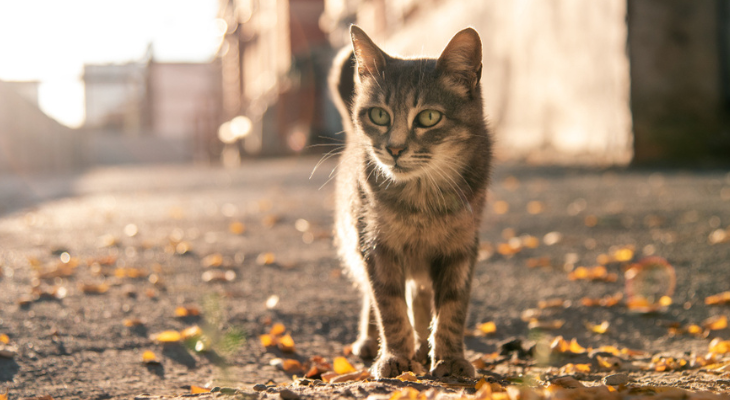
Lost cat

3 Reasons to Microchip Your Pet

Have you been thinking about microchipping your dog or cat, but aren't sure if it's really necessary? Implanting a tiny identification chip under your pet's skin offers several important benefits.

You're Much More Likely to Be Reunited with Your Lost Pet

If you're lucky, your lost pet will find its way home eventually. Unfortunately, that's not always the case, as researchers at The Ohio University College of Veterinary Medicine discovered. They followed more than 7,000 stray pets in 53 shelters to determine how microchipping affects the odds that a pet will be reunited with its owner.

According to their study, microchipped dogs were returned to their owners 52.2% of the time, while unmicrochipped dogs were reunited with their families just 21.9% of the time. Microchipped cats were returned to their owners 38.5% of the time, versus 1.8% for cats without microchips.

Microchipping a pet only takes a few seconds and isn't painful. Your veterinarian uses a needle to inject the rice-sized microchip under your pet's skin around the shoulder blades. The chip contains a code that corresponds to a link with your current address. After your dog or cat is microchipped, you'll submit your name and address to the microchip registry. Enrollment can be done by mailing the form to the company or by completing an online form.

Once your pet is microchipped, you'll need to remember to update your address in the microchip company registry if you move. The researchers noted that incorrect information was a key reason that microchipped pets weren't reunited with their families.

Microchipping Is the Ideal Identification Method for Pets

Would anyone know your pet belonged to you if its ID tag fell off or your furry friend managed to slip its collar? Microchips stay secure under your pet's skin and provide a permanent way to identify your cat or dog.

Both veterinary offices and animal shelters scan lost pets for microchips. If someone takes your pet to one of these facilities, chances are good that you'll receive a call informing you that your pet has been found. Thanks to the introduction of universal scanners, it's easy to identify a pet no matter what type of chip is used. It's still important to put an ID tag on your pet's collar, even if it has a microchip. If a neighbor happens to find your pet, a tag makes it easy to determine where a lost pet lives.

Microchipping also prevents mix-ups that can occur if several pets at an animal shelter look the same. The chip provides evidence that your pet is undeniably yours.

Microchipping Reduces the Burden on Animal Shelters

More than 6 million dogs and cats are surrendered to animal shelters every year, according to the American Society for the Prevention of Cruelty to Animals (ASPCA). Shelters only have space for a limited number of animals and often operate on very lean budgets.

Providing food, water, shelter, and veterinary care for pets can be very costly. Microchipped pets can be quickly returned to their families, ensuring that the shelter has more room to care for lost or unwanted pets.

Microchipping is safe, simple, and provides peace of mind should your pet ever become lost. Are you ready to microchip your pet? Contact our office to schedule an appointment.

Sources:

The Ohio State University College of Veterinary Medicine: The Microchip World: Recent Advances and Options for Shelters and Veterinarians

American Veterinary Medical Association: Microchipping FAQ

American Humane: Every Day is Tag Day – Is Your Pet Protected?, 4/1/2019

The Humane Society of the United States: High Tech: Identifying Lost Pets with Microchips

ASPCA: Pet Statistics

  • Pet Health
    • Chronic Conditions
    • Digestive and Oral Health
    • Diseases and Viruses
    • Pests and Parasites
    • Orthopedics
  • Today's Veterinarian
  • Choosing Your Pet
    • Finding Your Pet
    • Cats
    • Dogs
    • Exotics
      • Amphibians
      • Birds
      • Reptiles
        • Lizards
        • Turtles
    • Small Mammals
      • Ferrets
      • Rabbits
      • Domesticated Animals
        • Prairie Dogs
      • Pocket Pets
        • Chinchillas
        • Guinea Pigs
        • Hamsters
        • Hedgehogs
        • Rats
    • Livestock
      • Cows
      • Donkeys, Horses & Mules
      • Goats
      • Pigs
      • Poultry
      • Sheep
  • Living With Your Pet
    • Bringing Your Pet Home
    • Children and Pets
    • Providing Care
    • Travel
    • Saying Goodbye
  • Newsletter Library
    • Cats
    • Tips for Pet Owners
    • Behavior & Training
    • Fleas & Parasites
    • Keeping Pets Healthy
    • Recognizing Illness
    • Nutrition & Food
    • Pet Dangers
    • Seasonal Topics
    • Visiting the Vet
    • Equine
    • Newsletter Archive
      • Fun with Pets
      • Unbelievable Pets
  • Video Newsroom
    • Health Topics
    • Technology and Science
    • Other Interests
  • Newsletter Library
  • Client Survey
  • Pets4Kids

Contact Us

We look forward to hearing from you

Error!

    Featured Services

    • Contact us

      Click here to contact us. 

    • Services

      We strive to provide complete care for our patients. Learn more about all the services we offer.

    • How Was Your Visit?

      Click here to let us know about your last visit

    Office Hours

    Monday:

    7:30 am-5:30 pm

    Tuesday:

    7:30 am-5:30 pm

    Wednesday:

    7:30 am-5:30 pm

    Thursday:

    7:30 am-5:30 pm

    Friday:

    7:30 am-12:30 pm

    Saturday:

    Closed

    Sunday:

    Closed

    Location

    Find us on the map

    Testimonials

    Read What Our Clients Say

    • "Wow! Thanks to all the staff at Anderson Vet Clinic. I feel like you all truly love what you do! My kitty, Lola and I always have such a pleasant experience when we come in. Fortunately, it’s usually just for a check-up, but I would not leave Lola in anyone else’s hands but yours. Thank you for your caring commitment!"
      Maya Smith / Los Angeles, CA
    • "I have benefited tremendously from the care my pet received from Dr. Anderson."
      John Doe / San Diego, CA
    • "Fabio wasn’t eating the food I was giving him and I didn’t feel he was getting the nutrition he needed. Thanks to Dr. Anderson, he evaluated Fabio and his current diet to make some recommendations and now Fabio has gone from barely eating to finishing his meals and he looks healthier than ever. You clearly are an expert in your field...thanks so much!"
      Tara Brown / Kansas City, MO

    Featured Articles

    Read about interesting topics

    • March Newsletter: How to Keep Your Cat Safe When Outdoors

      Wondering how your cat can safely spend time outdoors? ...

      Read More
    • March Newsletter: How to Choose Safe Blankets for Pets

      Do you know how to pick a safe blanket for your pet? ...

      Read More
    • February Newsletter: How to Reduce Dental Anxiety in Pets

      Does your pet hate toothbrushing? These tips could reduce dental anxiety. ...

      Read More
    • February Newsletter: How to Safely Change Your Cat’s Food

      Buying a new food for your cat? Find out how to switch foods safely. ...

      Read More
    • January Newsletter: Signs Your Pet Needs a Wellness Exam

      Does your pet need a wellness exam? ...

      Read More
    • January Newsletter: How Your Veterinarian Can Help If Your Pet Ingests Something Toxic

      Has your pet eaten something it shouldn't have? Find out how your vet can help. ...

      Read More
    • December Newsletter: Signs Your Pet Needs a Professional Cleaning

      Do you know when your pet needs a professional cleaning? ...

      Read More
    • December Newsletter: Simple Ways to Keep Your Home Flea-Free for Your Pet’s Well-being

      Never want to see another flea again? Try these tips for a flea-free home. ...

      Read More
    • November Newsletter: The Importance of Bloodwork for Your Pet’s Health

      Wondering if your pet really needs bloodwork? Find out the benefits of blood tests for your furry friend. ...

      Read More
    • November Newsletter: Turkey Day Tips for Pet Owners

      Don't forget about your pet when making Turkey Day preparations. ...

      Read More

    Newsletter Signup

    Sign up for more articles

    Error!

      Connect With Us

      • Copyright © 2026 MH Sub I, LLC dba iMatrix.
      • Admin Log In
      • Site Map